Emily Bronte’s 1847 novel Wuthering Heights has long been an inspiration for filmmakers with the most recent adaptation, directed by Emerald Fennell, now in cinemas. In 1964 Lindsay Anderson unsuccessfully attempted to film his own version of the novel. Anderson’s archives, like those of many filmmakers, provide a much broader view of creative inspiration and ambition than a summary filmography.
Following the success of his first feature film, 1963s This Sporting Life, Anderson was keen to continue his creative partnership with writer David Storey and star Richard Harris. Anderson’s experience of directing Harris on This Sporting Life had been an explosive, bruising affair but such was his desire to work with the actor that he noted in his diary his “inability to think concretely of any project – except in terms of Richard Harris”. Anderson saw Harris as the perfect lead for his version of Wuthering Heights, as indeed did the actor. In April 1964 Anderson visited Harris in Mexico City, where he was shooting the western Major Dundee, to discuss the project. After being shown to his room Anderson found a note on his pillow written by Harris – it read “I am Heathcliff”.
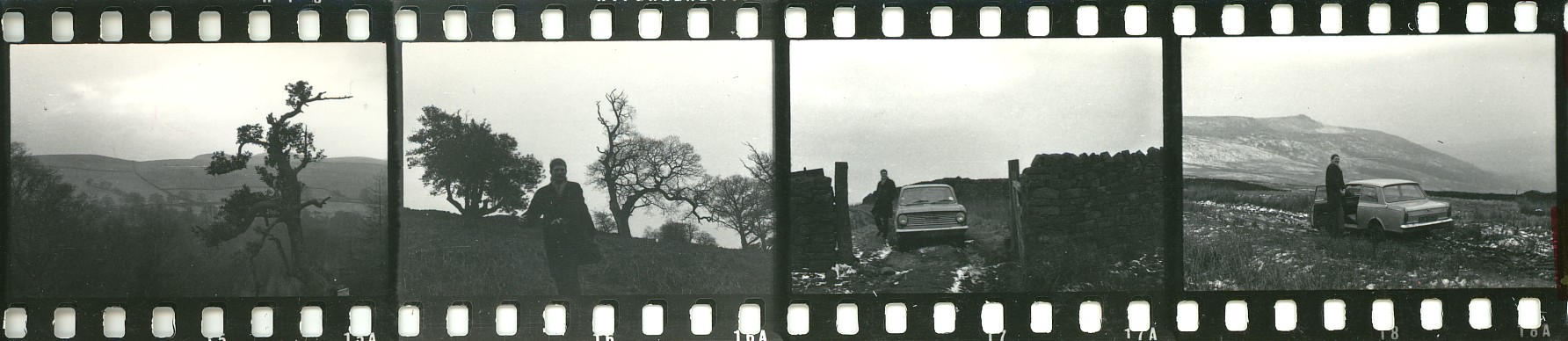
Anderson’s papers include some fascinating material relating to this project including correspondence, scripts, progress reports and location photographs. Anderson’s diaries also provide an account of the project’s development. In David Storey’s adaptation the doomed romance at the centre of the story ends in rather dramatic fashion with Heathcliff stealing Cathy’s body from her coffin and taking her to Wuthering Heights. He is followed by an angry mob that sets fire to the house, Heathcliff dying in a raging inferno with Cathy in his arms. Notes written by Richard Harris in April 1964 commenting on Storey’s script are also present. Harris didn’t like the ending devised by Storey – he instead suggested a more romantic end for Heathcliff and Cathy. The mob burns an empty Wuthering Heights and the following morning, when their anger has subsided, they find Heathcliff lying dead, next to Cathy’s body, on the moors.
By the summer of 1964 Harris was succumbing to the lure of Hollywood and he started to show a reluctance to work with Anderson in England. His behaviour increasingly annoyed and frustrated Anderson. In a letter to his agent Sandy Liberson in April 1965 Anderson reflected on the change in his relationship with Harris, noting that “It really seems to me that his ‘success’ of the past eight or nine months has changed Richard. Or shall I say taken him beyond the sphere in which he and I can work together?”
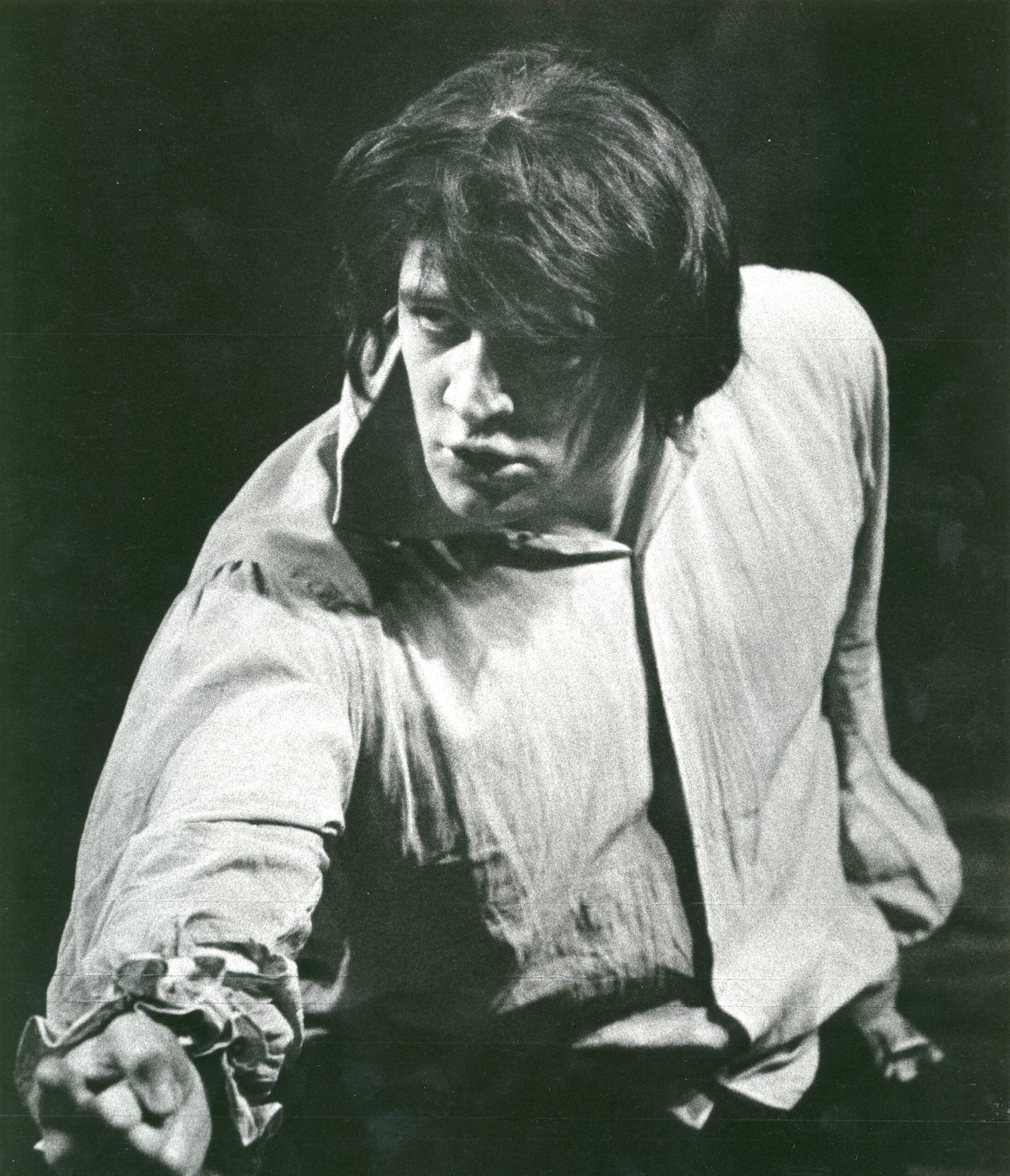
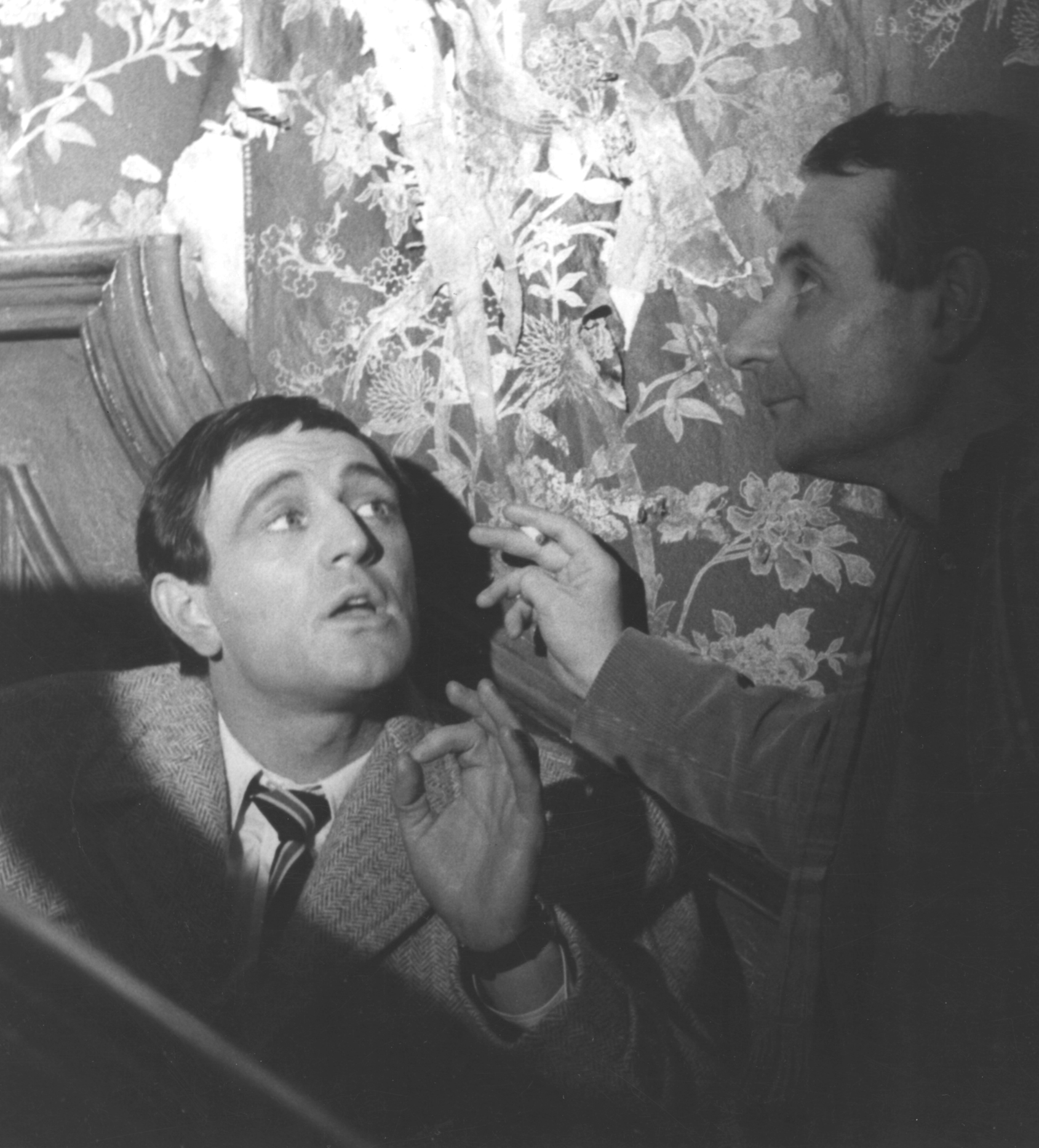
It was around this time that Anderson (reluctantly) came to realise that the projects he was developing for Harris would not come to fruition and gave up on the idea of directing Harris in Wuthering Heights – indeed after months of planning he never even got as far as casting a Cathy to Harris’ Heathcliff. The Wuthering Heights material forms part of a series of files in the archive which detail the various unrealised projects Anderson attempted to produce during his career including historical epics, noir remakes, literary adaptations and a sequel to his 1968 film If….. These files constitute an alternative (unmade) filmography, the struggles they document highlighting the reality of the life of a filmmaker.
