As part of this year’s MSc Heritage placement module, postgraduate student Rowan Welsh worked on a project to open up access to the Scottish Castles Association Archive.
During my placement, I was responsible for cataloguing material which forms part of the Fawcett Guidebook collection (ref. SCA/3), which contains a wide range of Scottish castle guidebooks and related material. Professor Richard Fawcett (1946-2023) was a prominent academic of medieval Scotland and worked in the Inspectorate of Ancient Monuments for the Scottish Development Department. He wrote numerous guidebooks on Scottish castles, abbeys and churches. The collection reflects the breadth of his work, with guidebooks written and collected by Fawcett ranging from the 1930s to the 2010s.
When I started my placement I was faced with seven boxes brimming with guidebooks and I must admit this made me a bit overwhelmed! This was my first project where I worked on a project of this scale. At the same time, I was also learning how to use Excel and how to catalogue archival material properly, both of which felt daunting at first. However, as I spent more time with the collection, I became more comfortable and increasingly absorbed in the work.
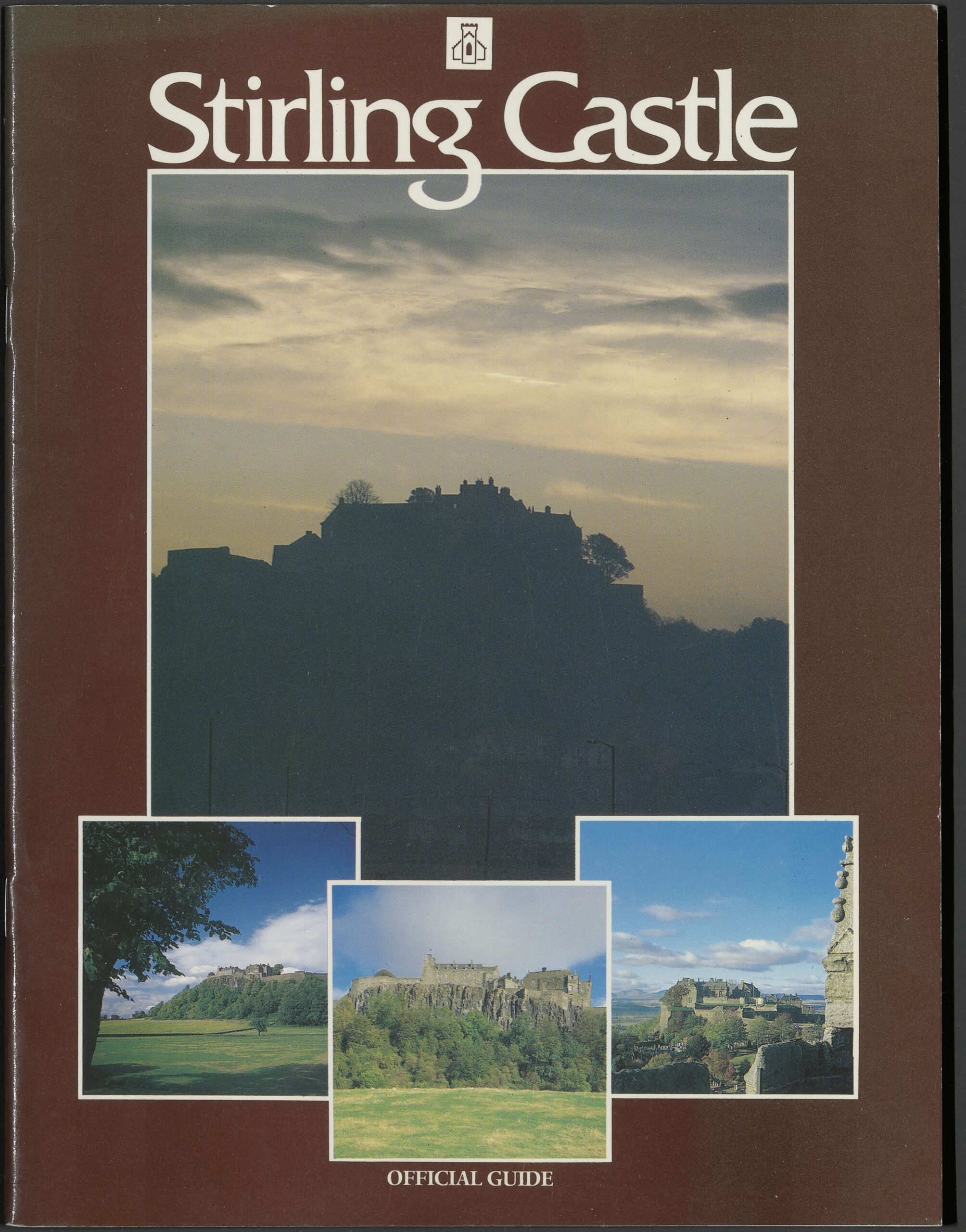
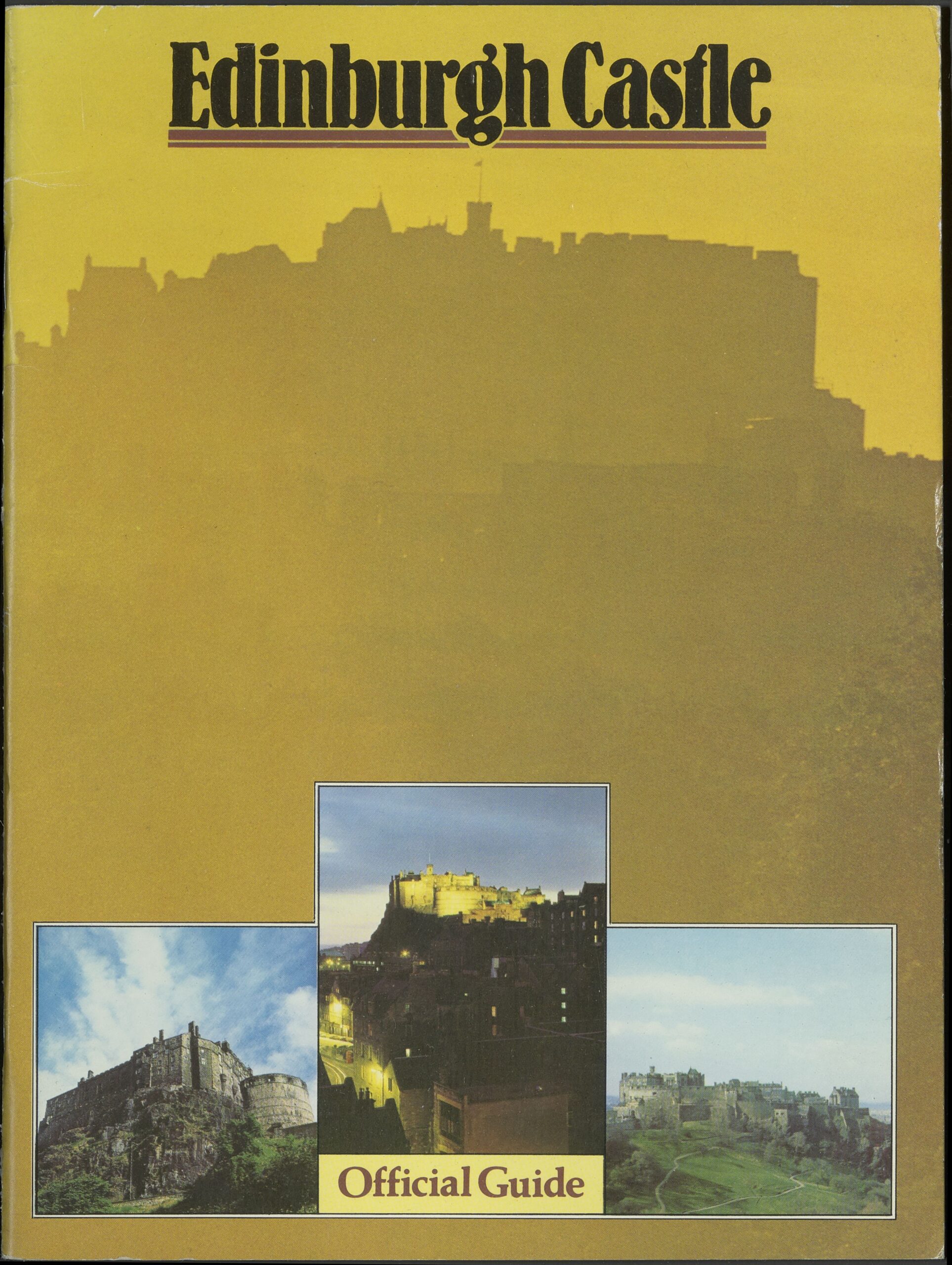
It’s important to note that there aren’t only guidebooks in this collection, there are postcards, photographs, handwritten notes, reports and extracts from academic research texts. Although it seemed unclear at first as to why these items are in the collection, they proved to be very useful in deepening my understanding.
These additional materials also offered me a me a glimpse into Fawcett’s research and process; I found myself looking forward to discovering what might fall from the pages of each guidebook. In many ways, the collection revealed the devotion that Fawcett had to his research, and I felt like I was peeking into an intimate side of his life with letters of thanks from numerous people and his handwriting scribbled on paper.
My curiosity didn’t stop there; I wanted to learn more about the collection. Specifically, I wanted to learn more about the motivation behind Fawcett collecting these guides. I arranged a meeting with Professor Richard Oram to talk more about the collection. During this conversation I came to understand how valuable the collection is for tracing the evolving interpretation of castles over time. Richard raised another important point; these guidebooks were tools to the public and a way for people to understand historic sites in a more meaningful way. This conversation changed my perspective on the collection as I had not fully considered how the interpretation of a site shifts across decades, or how guidebooks themselves can reveal changing priorities in heritage interpretation. After that, it made me pay attention more to the nuances within the materials as I catalogued them.
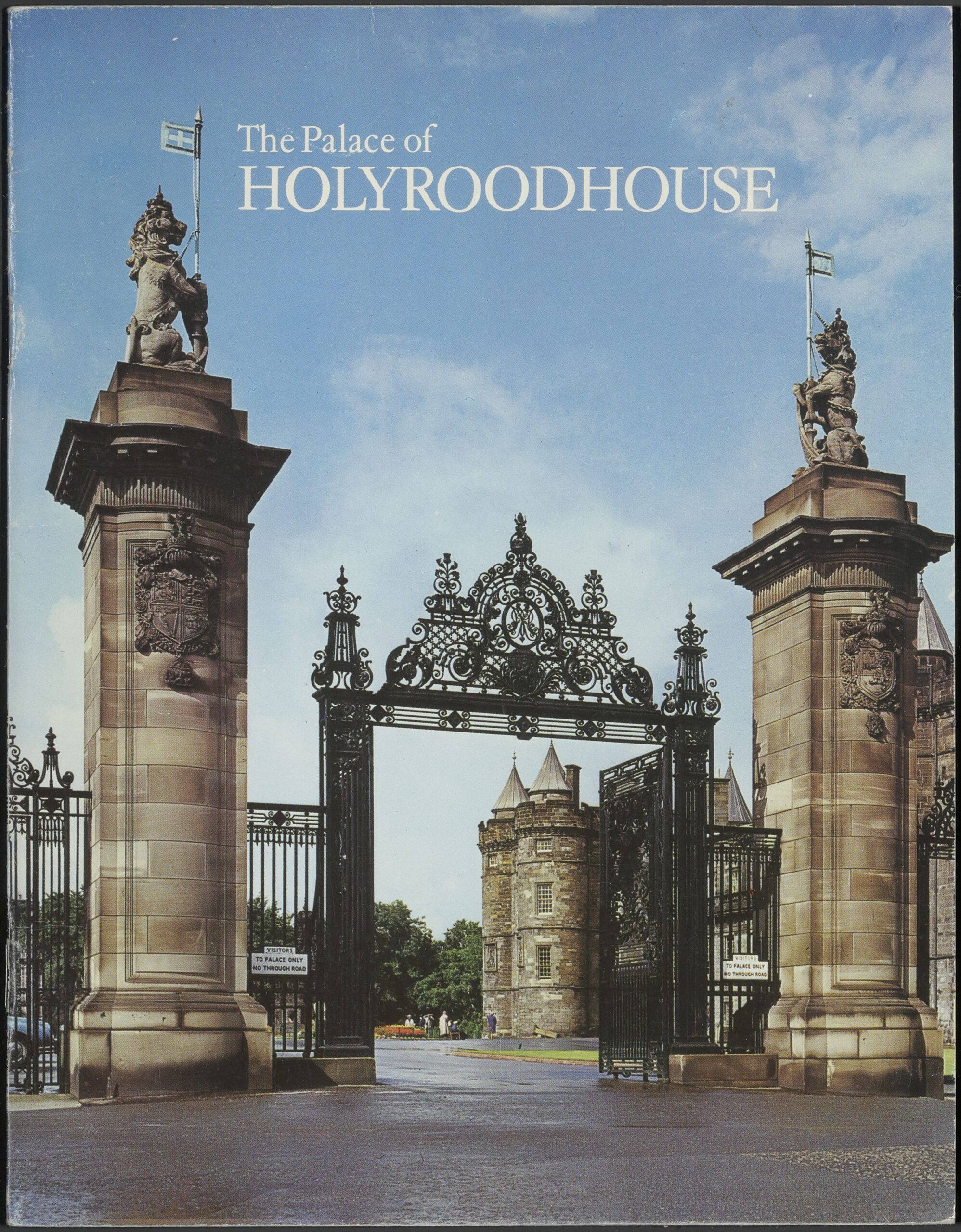
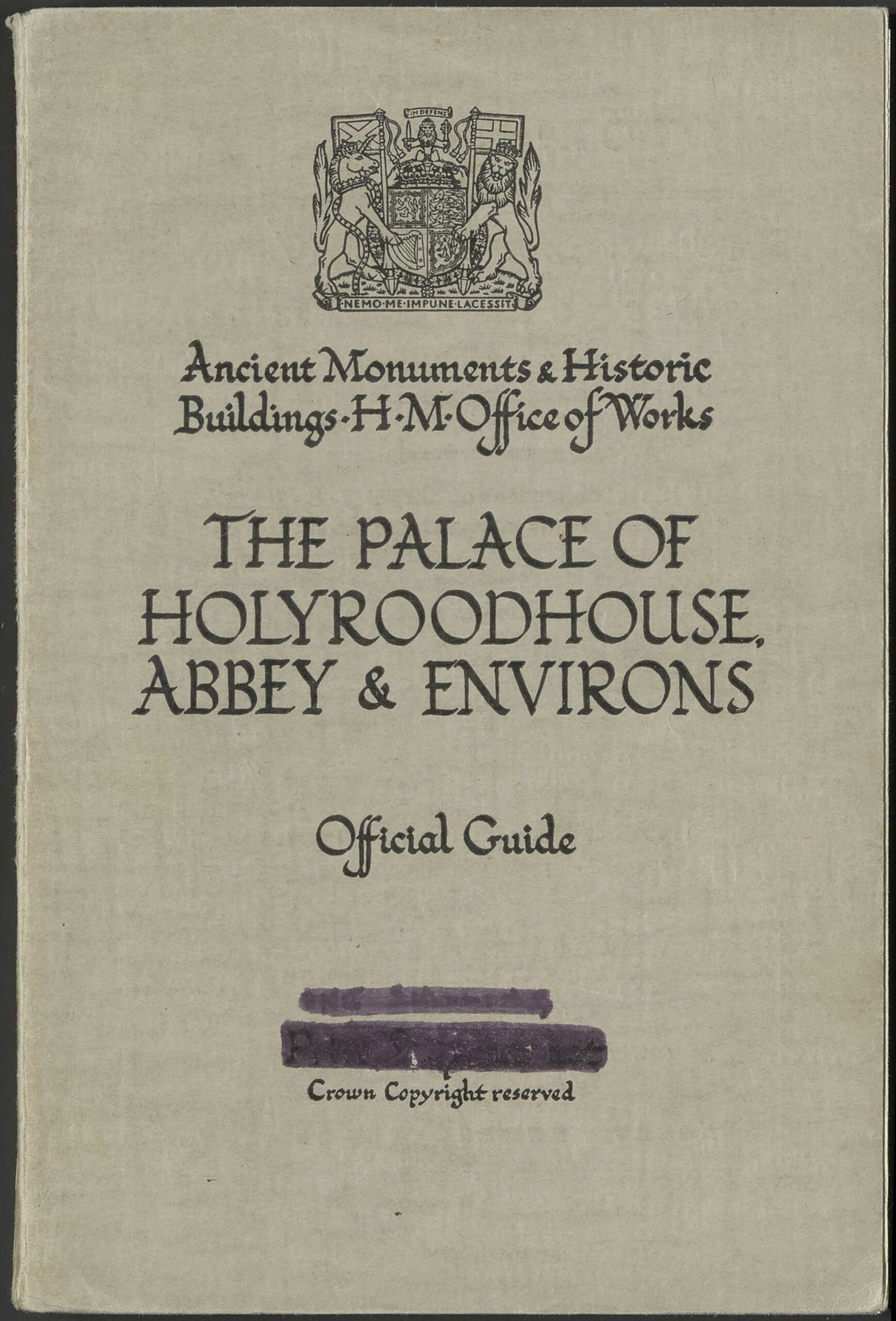
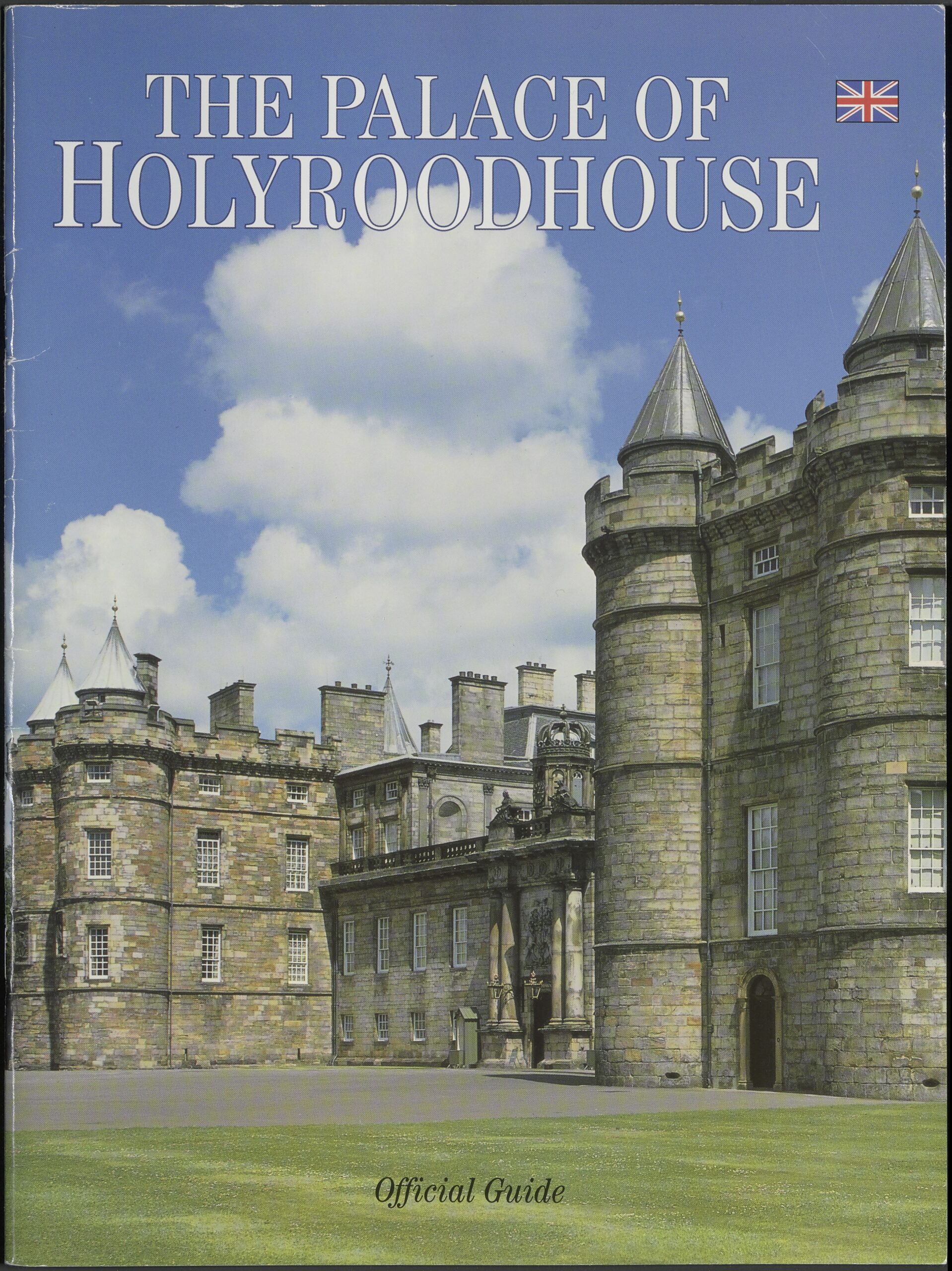
By the end of the placement, I had catalogued 367 items in total. Completing the project gave me a strong sense of achievement, especially as it was my first experience of working on a collection of this scale. I also developed valuable archival skills, not only in cataloguing and organisation, but in understanding how collections can reflect research habits of the people who have created them.
This placement made me realise how much I enjoy archival work. For me, archives offer a magnifying glass over the research process, revealing layers of thought, evidence and personal commitment behind them. I came away with a deeper appreciation for both Richard Fawcett’s work and the importance of the archives such as the University of Stirling that preserve collections like this.
Rowan Welsh, MSc Heritage Studies student
