A delayed note from March
I realised recently that I never sent out the text below, written back in March, whilst moving between workshops, screenings, darkrooms and fieldwork across Scotland. Reading back through it now, it still feels connected to many of the questions and conversations I’m currently sitting with and unearthing in my new research. This felt worth sharing before I send out my next updates at the end of this month.
So, although slightly delayed, here’s a reflection from earlier this year:
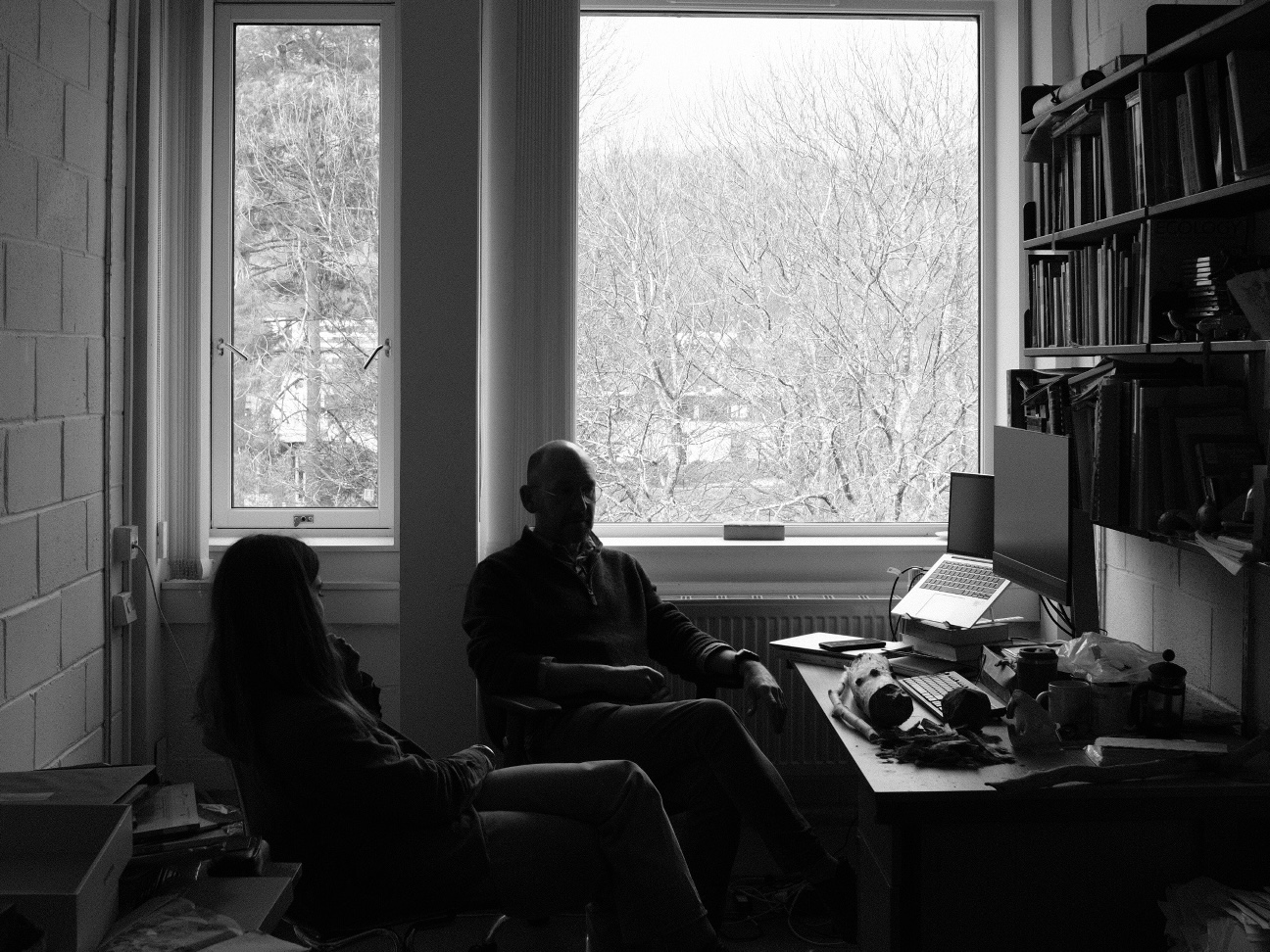
and Environmental Sciences Nigel Willby (Photographed by Jamie Quantrill, 2025)
It’s been a busy month moving across Scotland between screenings, workshops, research interviews and recces at University of Stirling, studio time in Glasgow, the darkroom, and back home to Isle of Lewis. As full as it’s been, it’s also been a pleasure to meet and work alongside some really lovely folk — I’m very grateful for the people I get to collide and connect with along the way.
This newsletter reflects on a few key events we’ve been part of, alongside some of the fieldwork currently underway with University of Stirling and policy innovation project with Forth2O.
Collecting Light — Screening & 16mm Workshop
(Between Two Beaches, Lyth Arts Centre, Caithness, 1st March 2026)
Just after returning from South Africa in February, wee Jack and I were off again—this time to the preview of a new collaborative film, Collecting Light, made with Chloe Charlton at Lyth Arts Centre, presented as part of the Between Two Beaches festival.
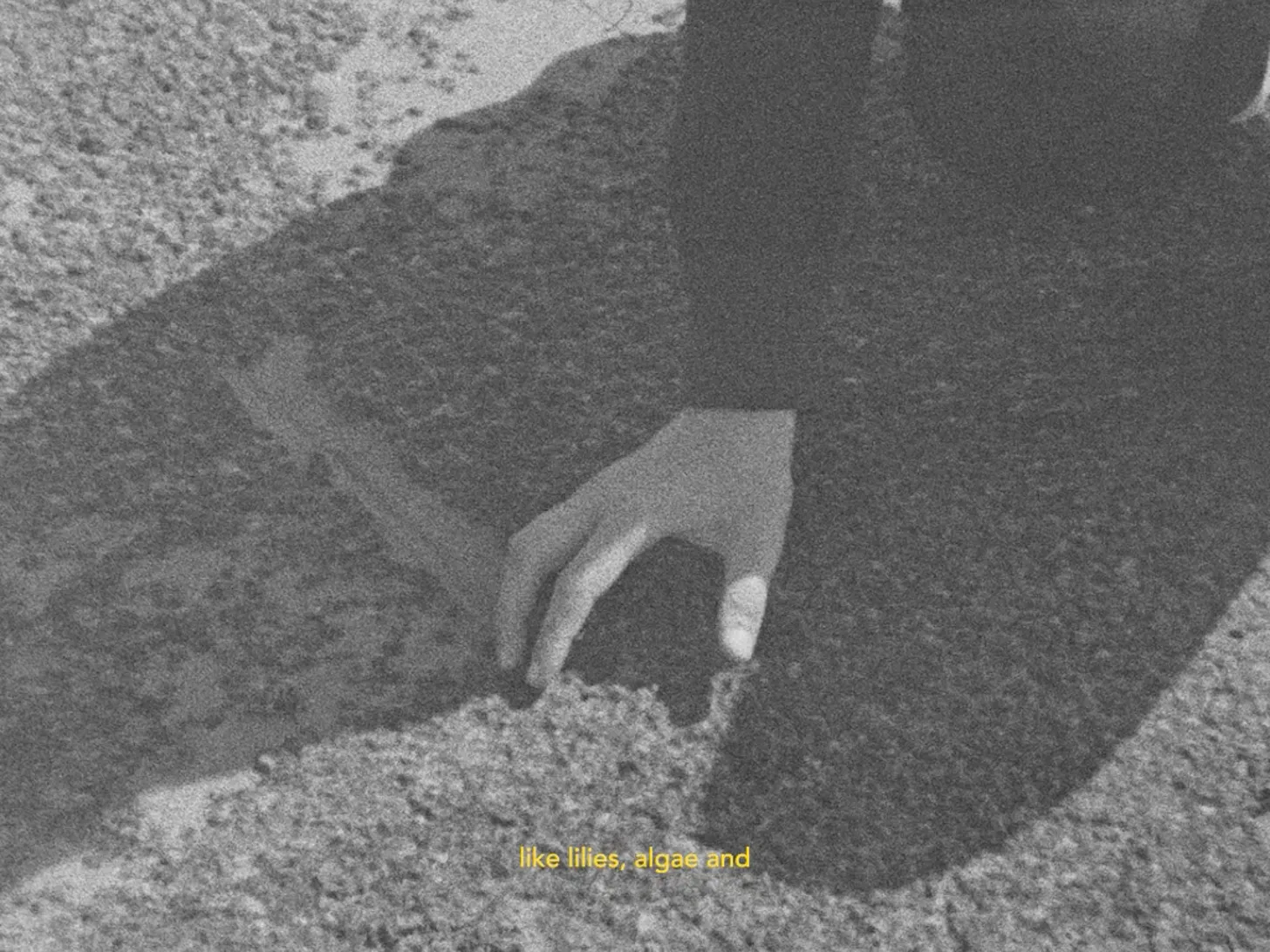
with participants from The Living Camera, 2025
Collecting Light documents the first workshops of The Living Camera project, developed with Lyth’s local youth community in 2025. Shot on 16mm film, the work centres on the theme of “Living” and follows a collaborative analogue process developed around a site-specific camera obscura, The Living Camera.
The camera itself transforms into a darkroom and gathering space. The film traces how collective, regenerative image-making can support ways of seeing, living, and learning in community – offering creative tools for the many challenges we are navigating. The camera has, in some ways, become a living entity in itself – something that captures, supports and evolves.
The 16mm film was developed using the same eco-chemistry brewed during the workshop, creating a collectively developed film, entangling the camera, participants and the surrounding elements and plants all in 12 minutes of film.
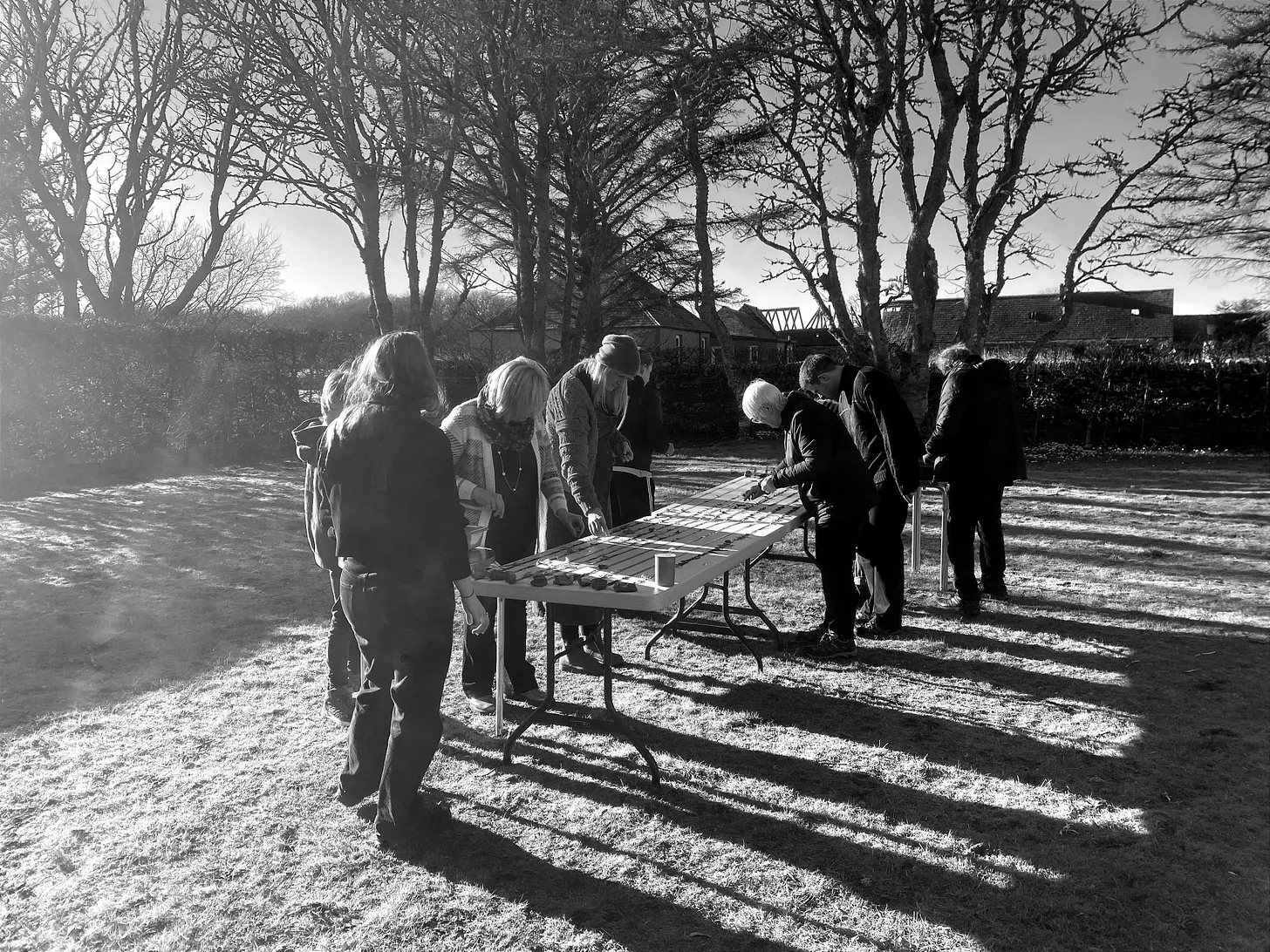
using foraged plants. Between Two Beaches, Lyth Arts Centre, 2026.
Alongside the screening, Chloé and I facilitated a 16mm plant-based workshop as part of The Living Camera project, using Karel Doing’s phytogram recipe. The workshop supported participants in collaboratively creating a plant-based 100ft film, working directly with foraged materials and analogue processes central to the project’s ethos. It became an extension of the screening itself – bringing the ideas of Collecting Light into a shared, hands-on space of making. It was a real joy to facilitate and to see the work unfold collectively alongside the film.
Thank you to Lyth Arts Centre and to all the collaborators involved in bringing this work into being! The film and broader project was supported by Lyth Arts Centre, National Lottery Fund (Young Start), Hospitalfield, Hope Scott Trust, and Cinelab UK.
Stirling University research, darkrooms and memento moris
After a really lovely time in Lyth, followed by some time off in Orkney, with surf, northern lights and visits to The Pier Arts Centre, I headed down the road to Glasgow where our time was held between field work with Stirling University, the new studio in Glasgow and some darkroom play at Stills Centre for Photography.
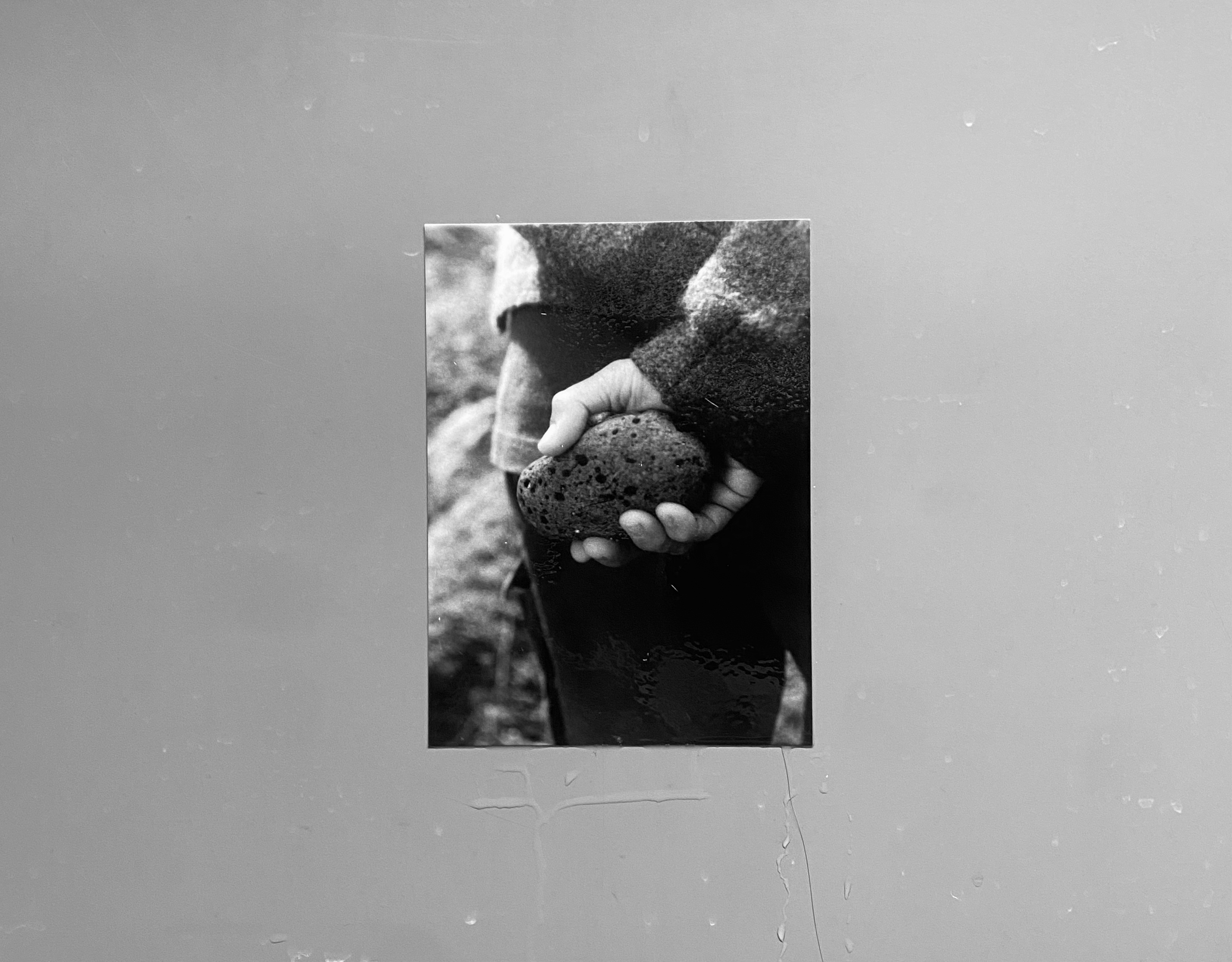
Whilst printing recently, I found myself unearthing negatives in which people are holding or gesturing towards objects, matter, and forms they seem devoted to collecting — picking up the pieces along the way. It brought to mind something I’m currently reading, The Positions of Spoons and Other Intimacies by Deborah Levy, in which she reflects on the figures who have shaped her writing. Writing about the cinema of Marguerite Duras, Levy notes:
she understands that an image is not a setting and that it has to hold everything the reader has to know. Duras is never begging with words but she is working very hard and calmly for us. Her trick is to make it all seem effortless.
In some ways, these gestures — or the moments I find myself repeatedly drawn back to — feel like brief but weighted directions within my own work and the practices of those around me. Small timestamps or bookmarks that ask: why are we pulled towards the edges of land, to oceans, or the banks of rivers, only to leave carrying a weighted memento mori? What is it that we are holding, and why? And can an image carry something in the same way the marks and engravings of these gathered artefacts do?
These questions have continued to surface whilst working closely with cinematographer Jamie Quantrill over the past month on two recces for our new moving image commission with Forth2O and the University of Stirling Art Collection. This included visits to Flanders Moss — an ancient peat bog connected to the River Forth — alongside conversations with Professor & Associate Dean of Research in Biological and Environmental Sciences Nigel Willby and Scotland Hydro Nation Chair Professor Andrew Taylor.
Both Nigel and Andrew, in their own ways, seem guided by rivers, artefacts, methods of capture, and systems of recording — much like I feel myself being pulled through this project. Searching for traces and shifting forms that might help us piece together a way through this messy cluster of polycrises.
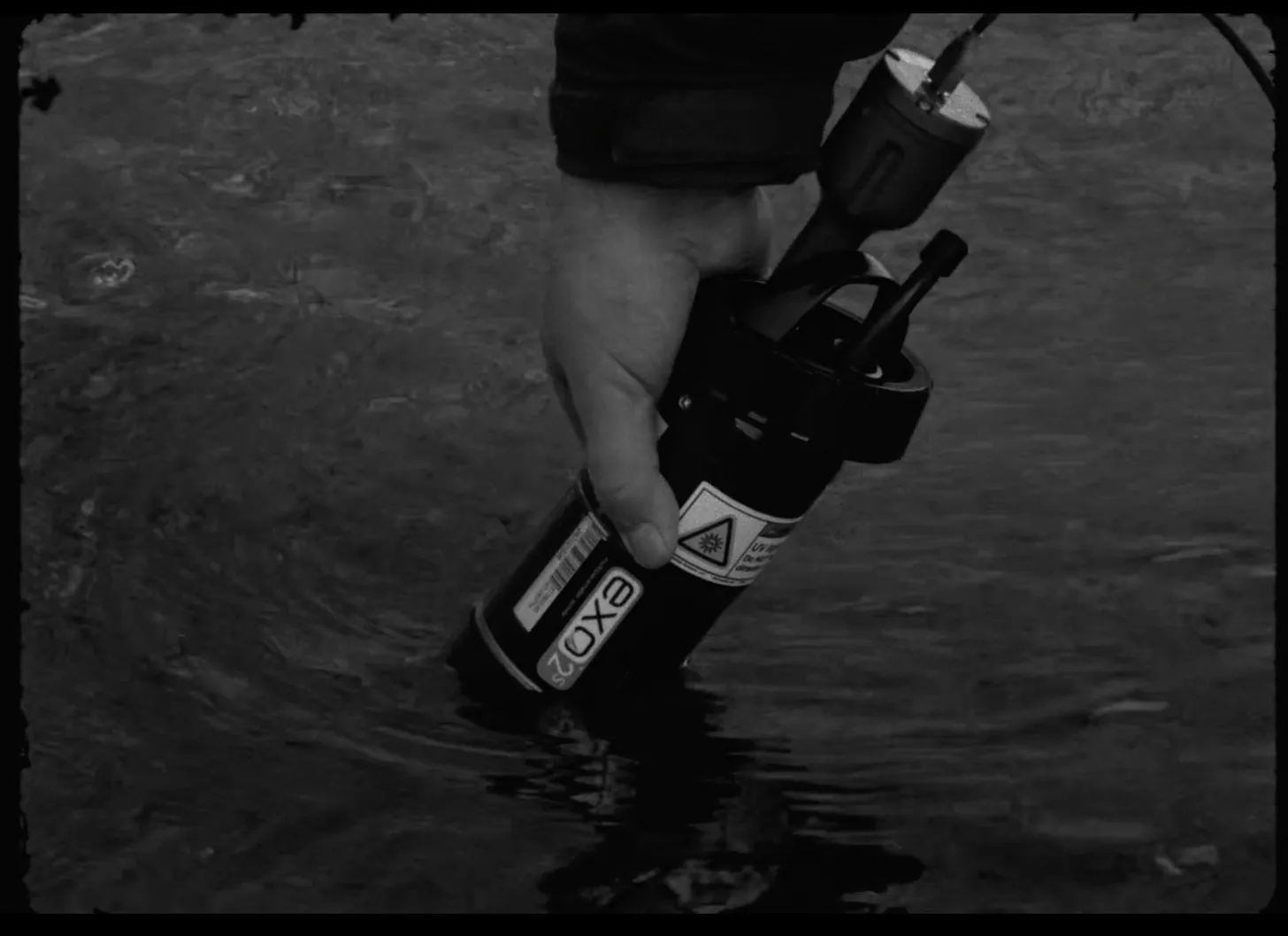
and fieldwork with Nigel Willby and Andrew Taylor at University of Stirling, 2025.
What has become increasingly visible is the level of care held by those working in conservation — the immense time, attention, and energy invested in places they are committed to sustaining. Yet alongside this care, tensions are present: questions around climate justice, land use, and community impact continue to sit at the centre of these conversations.
These tensions resurfaced at the end of March when I returned to The Living Camera to run an event with Scottish Artists Union for the Highlands & Islands annual residency. Through the lens of this site-specific camera, conversations unfolded around the entanglement of climate justice, land use, and the difficulty of navigating environmental policy that can sometimes feel at odds with local experience.
What also emerged were questions around creative support structures — how the environments we work within shape practice, and how we remain attentive and responsible toward the landscapes, waterways, and communities we live alongside.
For me, these questions are all interconnected, and I walked away thinking about:
How do we hold climate responsibility alongside community, culture, and land?
How do we work between and alongside research, policy, and lived experience without separating them?
And how do we continue to unearth these questions through intersectional and diverse lived experiences whilst still nurturing care, connection, and responsibility toward one another?
From the people I continue to meet through this work, it seems there is a shared sense of care and responsibility toward the environments we each work within. Perhaps the challenge is learning how we come together — across different backgrounds, experiences and ways of knowing — to navigate a way through it collectively.
I’ll be sharing more about my recent shoot, darkroom time and experiences in my next newsletter and blog at the end of May!
Thanks for reading!
Jess x
_____________________________________
Read more about Jess Holdengarde here
